



Most people think exposing a narcissist will finally bring relief. That’s the hope, right? You tell the truth, the fog lifts, and you get your peace back.
But what often happens next in a toxic relationship feels like the opposite of peace.
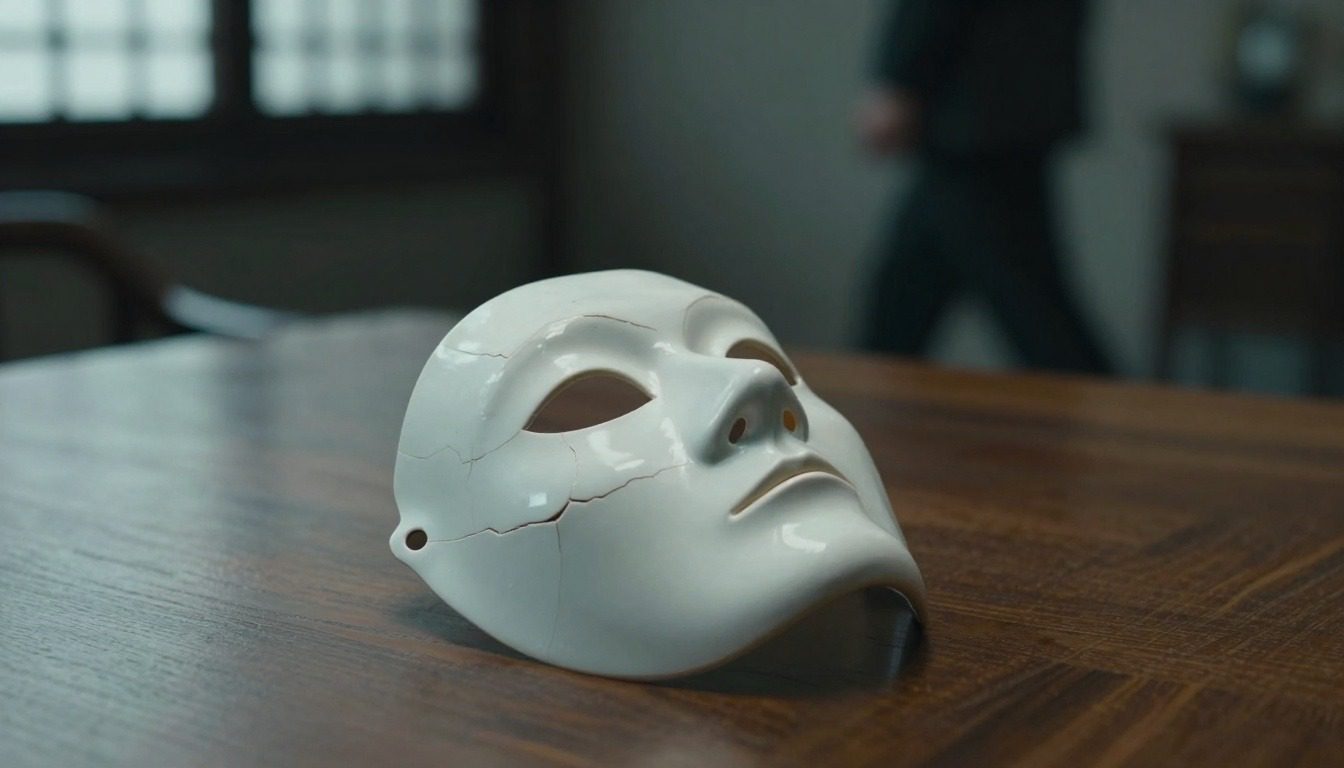
Exposing a narcissist triggers their survival instinct. Their system reads exposure like danger, like an animal backed into a corner. Logic goes offline, instinct takes over, and the mask slips in a way that can feel almost unreal.
I’m Christina, and I help people untangle the psychology of manipulation and narcissistic behavior so they can stop reacting to someone else’s nonsense and start living in their own peace.
When the survival instinct kicks in, the mask slips
People describe the moment narcissists reveal themselves in a strangely similar way, even when the relationship details are totally different.
It often feels “otherworldly,” like you’re suddenly looking at a stranger, a chilling shift driven by their lack of empathy.
A few of the most common descriptions I hear:
- Their eyes look darker, colder, or flat, revealing narcissistic traits.
- Their tone shifts into something you’ve never heard before.
- You realize the “worst version” you thought you’d seen wasn’t actually the worst.
- The room feels tense, like the air got heavier.
That difference matters. Because this moment isn’t just selfishness, or pettiness, or even revenge.
It’s an ego threat. And ego doesn’t go quietly in any of us, especially when the ego is fragile and inflated.
When reality starts catching up to them, they don’t self-reflect, they self-protect. What comes next usually falls into three “control responses,” automatic moves meant to regain power:
- The pity party
- Retaliation and revenge
- The smear campaign
Decoding the narcissist’s ego (Jung vs. Freud, and why it matters)
Quick clarification, because this word gets people fired up.
When I talk about a narcissist’s ego, I’m using Jung’s view of ego (the “I,” the sense of self). In that framework, everyone has an ego. The issue with narcissism is that this sense of self swells with grandiosity and self-importance, becoming so inflated that it disconnects from reality.
Some people object because they’re thinking of Freud’s definition. Under Freud’s model, ego means something more specific (and the conversation changes). So yes, the word “ego” can get tricky depending on which lens you’re using.
Now, here’s the part that helps it click.
I think of it like a pressure cooker:
- Pressure builds (an ego injury happens, they feel exposed).
- No release valve (no accountability, no humility, no healthy dialogue, no real self-reflection).
- Explosion (an attack meant to restore control).
For most people, discomfort eventually drains out through reflection, repair, honesty, and taking responsibility. For a narcissist, there’s no healthy release. So when you expose them, it’s not “ouch, I made a mistake.” It’s “I’m under threat.”
And that’s why the reaction can look extreme.
Control response #1: The pity party (it looks soft, but it’s still control)
This one is easy to miss because it doesn’t always look aggressive.
A narcissist who’s been exposed may suddenly seem heartbroken, remorseful, even loving. Sometimes it’s so intense it feels spiritual, like they finally “woke up.”
But what you’re seeing usually isn’t accountability. It’s gaslighting on steroids.
Common ways the pity party shows up:
- Lovebombing: sudden affection, gifts, grand declarations
- Emotional collapse: tears, panic, a victim narrative of how “broken” they are
- Sudden “selflessness”: doing helpful things they never did before
- “I’m scared of losing you” language
They’ll frame it as fear of losing you, but it’s often fear of being seen.
Because if you leave based on who they truly are, they have to face the one thing their system cannot tolerate: exposure.
Here’s the trap.
The moment you soften or slip into people-pleasing, thinking “Maybe they really changed,” or “Maybe I overreacted,” you start stepping back into the illusion.
And when you’re back in, they don’t have to chase you anymore.
That’s when many people get dropped, punished, or discarded. Not because narcissists don’t fear rejection, but because they outrun it. They don’t sit with it, they flip the board.
If you want a deeper look at how they bait you back into contact, I broke it down here: how narcissists manipulate with baiting tactics
Control response #2: Retaliation and revenge (the shift from desperate to dangerous)
If the pity party doesn’t work, you’ll often see a sharp pivot to destructive behavior.
The charm dies. The softness disappears. And you meet the version of them you were never supposed to see.
Sometimes retaliation is obvious:
- yelling
- insults
- threats
- intimidation
Sometimes it’s quiet and strategic:
- a narcissistic mother sabotaging relationships behind the scenes
- messing with your reputation at work
- trying to bait you into reacting so you look “unstable”
On the surface it looks like revenge, but under it is something simpler and more intense: humiliation.
When you expose a narcissist, you activate the emotion their system can’t regulate. Their brain reads humiliation as total loss of control. So they do what they always do, they flip the story through projection of blame to shift blame and avoid the shame.
If they can make you the villain, they don’t have to feel it.
This is where a line I live by comes in: the rage is the cover-up.
The more vicious they get, the more exposed they feel. They’re trying to hand you their internal mess, like emotional hot potato, so they don’t have to carry it.
If projection has been a big part of your story, this will help you put words to what you’ve been living: how narcissist projection works as a defense
Control response #3: The smear campaign (poisoning the well)
When they can’t win you back and they can’t control your reality, they try to control everyone else’s.
That’s the smear campaign: a deliberate attempt to discredit you, rewrite the story, and turn other people against you.
What it can look like:
- “Concerned” messages to mutual friends with half-truths (or full lies)
- vague social posts that are “not about anyone,” but everyone knows they are
- leaking texts or sharing screenshots without context
- edited clips of your words to make you look unstable
- using reactive abuse against you (showing your reaction, hiding what provoked it)
This is why I tell people to stop assuming smear campaigns only happen after the relationship ends. Many narcissists practice early, casually undermining you around others to see who repeats it.
If you’re in no contact, smear campaigns can feel louder because your silence gives them space to “tell the story first.”
And just to name it plainly: narrative control equals safety for them.
If even one person doubts you, it reduces the threat of exposure, particularly in high-stakes scenarios like divorce court and child custody disputes.
Early warning signs a smear campaign has started
- Neutral people suddenly feel hesitant around you.
- Mutual friends ask leading questions about your behavior.
- There’s tension in spaces that used to feel safe (family dinners, friend groups, work meetings).
- Small rumors pop up that don’t match anything you said or did.
- You feel isolated, confused, like reality is bending around you.
That confusion is not accidental. They want you off-balance, and they want a reaction.
How I protect myself when a smear campaign is in motion
I keep this simple, because simplicity is grounding when everything feels chaotic.
- Start gathering evidence. Texts, emails, voice notes, anything relevant. You never know when you’ll need it in legal proceedings or to share with your divorce attorney.
- Hold your silence. Don’t respond in anger. Anger is fuel.
- Tell your version once to the people who matter. Then stop. Constant defending can make it look like you “have something to hide.”
- Let time do its job. Smear campaigns burn hot early, then hollow out. Patterns become visible.
If you want to understand how narcissists bait reactions and use your emotions against you, read this next: seven mind games narcissists use to control you
And if you’re trying to figure out where you are in your healing right now (because this stage can scramble your brain), take my recovery clarity quiz.
Why these traps work (it’s biology, not weakness)
These manipulation tactics don’t work because you’re naive.
They work because they trigger emotional turmoil in your nervous system.
When you confront a narcissist you trusted and they turn on you, your body doesn’t calmly think, “I’m being manipulated.” Your body thinks: I’m losing connection.
So your system scrambles to restore safety:
- explaining
- defending
- proving
- over-texting
- trying to “get them to understand”
That’s your attachment wiring, the root of codependency that keeps us stuck, doing what it was built to do. It’s not broken. It’s trying to protect you.
Here’s the twist.
When a narcissist feels rejected, they feel a version of that same panic. But instead of sitting with it, they project it outward. If they can make you feel rejected, powerless, or off-balance, they don’t have to feel it.
That’s why the attacks feel personal. They’re trying to hand you their shame so they can outrun it.
If the conversations with them leave you doubting your reality, I also recommend learning the common language patterns they use: phrases narcissists use to twist reality
Reclaiming your peace after you expose a narcissist
When you can see the pattern, the pity play, retaliation, smear campaign, you stop taking it as proof that you’re “too sensitive” or “hard to love.”
You realize the truth: their reaction is about survival and control, not love.
And when you stop reacting, their game starts to collapse. They may pivot to a new target, they may double down for a while, but the spell breaks. To reclaim your peace, start to set boundaries; consider biblical boundaries and personal accountability as specific frameworks for moving toward healing.
If you’re still in the thick of it and you want direct support, you can look into one-on-one coaching with me. If you need therapy support from a licensed provider, I also partnered with BetterHelp, and you can use BetterHelp online therapy for abuse and trauma support (this is an affiliate link, and I receive commissions on referrals).
If you’re standing in the rubble of what just happened, hold onto this: falling out of their illusion can feel like everything is ending, but it’s often the beginning of your peace.
Conclusion
If you expose a narcissist and their behavior escalates, it doesn’t mean you did something wrong. It usually means you hit the place where their false self can’t survive, forcing them to reveal themselves as they scramble for control. The pity party, retaliation, and smear campaign are all different outfits of narcissistic behavior on the same need: regain power, avoid shame, rewrite reality. Keep your focus on your nervous system, your boundaries, and your peace, because that’s the one thing they can’t take unless you hand it over.